The Great Flood of 2026: When Cambridge City Remembered Who We Really Are
September 20, 2026
When the flood hit Cambridge City in 2026, it didn't just soak our homes and businesses — it soaked our sense of normal. Routines vanished overnight. Familiar streets turned into rivers. Places we depended on were suddenly closed or damaged. Life tilted off its axis, and for a moment, it felt like everything we knew had been swept away.
But something else rose with the water. Something stronger. Something older than any storm. Something that still makes me emotional when I think about it.
People showed up.
Not just the people you'd expect. Not just the neighbors you see at the grocery store or the folks you sit near at church. I'm talking about people I hadn't heard from in years — friends from other states who reached out the moment they heard what happened. Messages came in from people I'd lost touch with — people who had no reason to check in except that they cared.
And then there were the ones who didn't call or text — they just arrived.
The Amish came quietly, steadily, like they always do. No fanfare. No speeches. Just work boots, strong hands, and a willingness to help anyone who needed it. Rural folks from miles away rolled in with trucks, tools, and the kind of kindness that doesn't need to be advertised. Churches opened their doors, their kitchens, their wallets. Congregations from outside the area sent supplies, donations, and volunteers. People who didn't know us — who had never even heard of Cambridge City — sent checks, gift cards, and handwritten notes.
Some gave anonymously. Some gave sacrificially. Some gave more than anyone will ever know.
And what struck me most was how quickly all the usual barriers fell away. Inhibitions dropped. Hesitations disappeared. Nobody worried about whether they'd be in the way or whether they "belonged." Nobody asked whether helping was their responsibility. Nobody paused to wonder if they'd be judged.
People just stepped up.
They stepped into homes that weren't theirs, visited with strangers they had never met. With a bucket and energy, they jumped in to clean up the soggy mess of mud, materials, and things that once meant something to those who owned them. Yes, they walked into the heartbreak and helped carry the load.
And they're still stepping up.
Even now, weeks later, people continue to check in, donate, volunteer, and quietly support families who are still rebuilding. It is an ongoing process.
And that's what I want to say here — because it matters.
For years, we've been told that people don't care anymore. That everyone is selfish, divided, angry, and out for themselves. That the world is falling apart and nobody wants to help their neighbor. That kindness is rare and community is dead.
But Cambridge City proved the opposite.
The flood revealed what's been true all along: most people are still good, and want to do good. Not for praise or honor, simply because it is the right thing to do. Our community is full of people just like that.
Good in the way that shows up with a shovel, a bucket or a pressure washer. Good in the way that hands you a meal without asking your name. Good in the way that drives hours just to help you carry out the ruined soggy mess. Good in the way that slips a donation into your hand and says, "Don't worry about it." Good in the way that keeps showing up long after the headlines fade.
The Great Flood of 2026 didn't defeat Cambridge City — it revealed Cambridge City. It revealed our friends, our neighbors, our churches, our rural communities, our Amish families, and even people far beyond our borders. It revealed that compassion is still stronger than division. It revealed that the loudest voices online aren't the truest ones. It revealed that when everything falls apart, people still come together.
If you ever start to believe that people don't care anymore, remember this year. Remember the faces that showed up at your door. Remember the hands that lifted you up. Remember the strangers who became friends. Remember the friends who came back into your life. Remember the quiet generosity that rebuilt more than homes — it rebuilt hope.
The flood took a lot from us. But it also gave us something priceless: proof that goodness is still the majority.
And I believe it's going to be better. Not just back to normal — better. Cambridge City has always been the kind of town that gets back up, and this time is no different. You can already feel it in the way people talk downtown, the way the mall keeps filling back up, the way plans are being made instead of just cleanup lists. Resilience isn't just a word we use here. It's how we've always lived.
Some of those strangers found us through the news coverage — a small town in Indiana suddenly on their radar for a hard reason. But I have a feeling that's not where the story ends. Some of those same folks will come back, not because there's a flood, but because they want to see the place that pulled together the way we did. Maybe they'll stop in to shop. Maybe they'll linger a little longer downtown. Maybe some will even decide this is a good place to plant roots. If you're one of them — welcome. Come see why we love it here.
Come visit. Enjoy the history. Meet the people. Eat the food. Walk the shops. Cambridge City has always been worth the stop, and now more than ever, it's worth the trip.
I'm proud of our old building at the National Road Antique Mall through all of this. It's stood on that spot for more than 150 years, and this flood wasn't the first time it's been tested. It's survived two floods and a fire. It's still standing, still full of history, still open for business. There's something about a building like that — it doesn't just hold antiques, it holds proof. Proof that this town doesn't fold when things get hard.
These old buildings were built to last, and like most things worth having, they're worth restoring. They carry scars from all the years of living — the floods, the fire, the wear of a century and a half — the same way people do. And just like us, those scars aren't something to hide. They're the story. They're proof of a life worth living.
And that's a story worth telling. That's a story worth passing on.
Tags
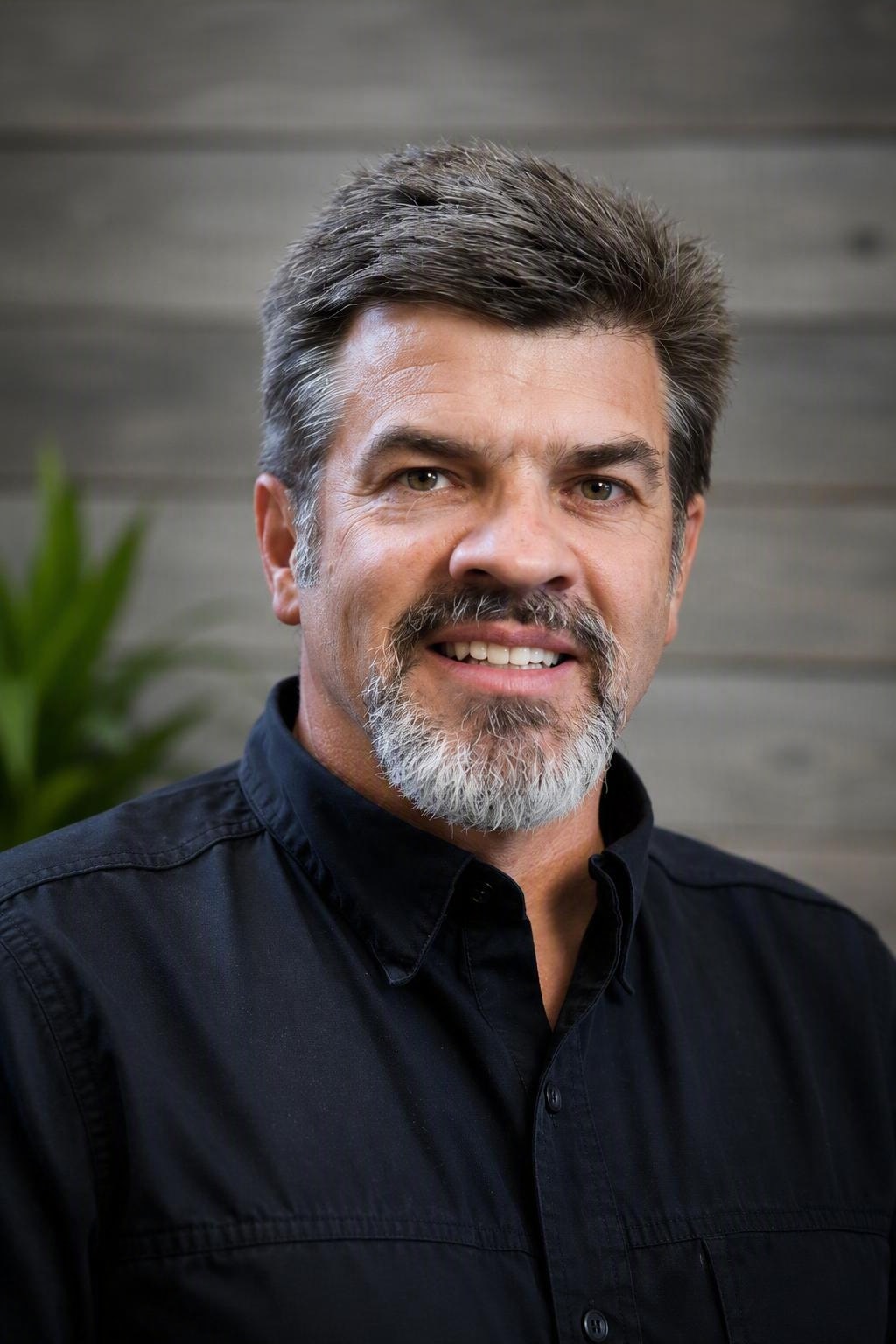
Paul Fowler
Paul writes about faith, family, and the restoration of the Jumanji Historic Farmhouse in Indiana. He is the author of Saving Grace and Pushing Through.
Enjoy Paul's writing? Explore his books and the Jumanji Farmhouse on YouTube.
Comments
No comments yet. Be the first to share your thoughts.