A flood, an old building, a stunned community, and the people who came running
The Crisis
This week has been heavy—the kind of week where the days blur together and time stops making sense. I woke up convinced it was Friday, only to be reminded it was Saturday. That is what disaster does. It bends the calendar. It slows some moments down and makes others disappear completely.
Earlier in the week, the rain came hard. The lightning and thunder arrived together, each crack landing like an explosion close enough to rattle the windows of our dear Jumanji Historic Farmhouse. The dogs were scared and restless, though each burst of thunder seemed to clear the air just a little more.
Then I woke up to the sound of water.
The dogs, of course, thought they had discovered a brand-new water park. While we were trying to understand the seriousness of what was happening, they were having the time of their lives—running, dashing, and enjoying the moment.
Downtown Cambridge City Underwater
We went to check on the National Road Antique Mall. By then the streets of downtown Cambridge City were already filling with water. It was jumping the curb, threatening the door and the steps of the mall.
Inside, the main floor was still dry, but the storm was finding strange ways in. Water was pushing through the front windows, through the panes themselves, in odd and extraordinary places. I went downstairs to inspect the basement and found water in one far corner. A drain that normally carries water out had begun to flow backward, bringing water into the building instead.
I tried to stop it. I capped it, weighted it, placed heavy objects over it—anything I could think of—but the water kept coming. At first it was only inches, but it was steady. Then other spots in the basement floor began to percolate. I had never seen anything like it. To me, it meant immense pressure beneath the building and a water table that had risen beyond anything normal.
I started asking about sandbags. Some people thought that was strange: what would we even do with them? Coming from Utah, we know what to do with sandbags. The problem was that I needed truckloads, not handfuls.
Trying to Help While the Water Kept Rising
Then the frantic calls came from my sister in New Castle. Her basement had flooded, her sump pump had gone out, and water had reached her furnace and water heater. Getting there became an adventure of its own.
The water was pushing up against the bumper of my Jeep Gladiator. Cars sat stalled in the middle of flooded roads, as if their drivers had hoped they might become submarines. My aunt and uncle were stranded and needed rescue. Other people were trapped in vehicles or homes. Businesses were underwater. Roads were closed. One road I tried to take for supplies had washed out, with a whole section missing.
Things were getting bad fast, and still the water kept coming.
Back to the Mall
After helping where I could, I returned to the National Road Antique Mall. I posted a video on the Jumanji Historic Farmhouse YouTube channel—Cambridge City Underwater—because even then it felt almost impossible to explain what was happening without showing it.
Watch on YouTube
By that point, the water was waist-deep in the basement. It was running down the stairs from the street, overflowing outside the door and building up against it. Water was also coming under the garage door in the warehouse area.
We moved what we could, weighted things down, and did everything we knew to do. For a moment, it looked as though the water might begin to dissipate. It still flowed through town like a river, but it seemed as if maybe the worst had passed. We spent the afternoon and evening at the mall, then finally went home and went to sleep.
The Morning After
When I returned the next morning, the basement door had been blown in. Mud marks on the back exterior walls of the mall reached about 25 inches. Inside, the water had covered the banister. The marks showed it had risen overnight to within one step—about six inches—of the main floor. The basement had completely filled with water.
The water had reached the floor joists, about eight feet and five inches high. The exterior basement door and the wall that held it had been forced inward by the pressure. Around back, the garage door was bent and kinked, difficult to raise. Everything that had been neatly stored inside was scattered everywhere—upside down, inside out, thrown around as something huge had a violent tantrum in the dark of the night.
Heavy objects had moved as if they weighed nothing. Beehives and other items from the garage had been carried throughout the basement, some all the way out the door on the other side. A plywood closure over one of the basement stairways had also blown out. Bricks were displaced. Concrete blocks were thrown around. This was not just standing water. I stood there in awe of the violence and force of moving water.
The damage was staggering—tens of thousands of dollars, and that was only what we could see at first. Even the smaller discoveries drove the point home, like realizing how quickly Milwaukee hand tools could rust in that floodwater. Later, we would discover that the phone system was out and the Internet was down as well. The water had immediately corroded the copper connectors, rendering them useless, shorted out, and destroyed along with so many of the electronics.
The smell was there, of course—wet wood, mud, river water, old dust, and everything the flood had pulled into that basement. But the sight was what hit me hardest. It was like a snow globe gone bad, except everything inside had been thrown around by a huge, violent blender. Items were scattered everywhere, twisted together, piled in places they did not belong. And some of those things did not even belong to us.
Shock
I told my kids and others what had happened, and they all asked the same question: what can we do? I did not know how to answer. I did not know where to begin. That was hard for me. I am used to figuring things out, making decisions, and moving forward. But in that moment, I needed a minute just to process the surreal scene in front of me.
For a few minutes, I just stood there. I was looking at the mess, but I do not think I was really seeing it yet. My mind was trying to catch up with what my eyes already knew. This was bigger than a cleanup. This was one of those moments where you realize life has shifted, and you are standing on the other side of something you did not ask for.
The honest word for that moment is shock.
Close friends, family, and others began calling, texting, expressing concern, and offering to help. Of course, like with my kids, I was not sure how to respond. I was not sure what I needed. It was obvious we needed help, but in those first stunned moments I did not yet know how to name it, organize it, or even accept it. And like many people, there was a little pride in me that wanted to think, We’ve got this.
It is the kind of thing you see on the news and think, I am so sorry that happened to those people. But it is still the news. It is somewhere else. Someone else’s tragedy. Then suddenly the reality lands: we are in the news. We are the news. This is happening to us.
Even for someone who is decisive, and by nature leads out, it took time for my brain and body to accept the situation. It felt surreal, like a nightmare I somehow thought I would wake from, even while it was smacking me in the face.
It was as if we had been sucked out of the armchair where we usually watched disasters unfold on the news, then thrown up onto the big screen ourselves. We were no longer watching the movie. We were the movie. The whole town was the movie.
People Came Running
Then people started showing up.
My cousin Gary was among the first, bringing a much-needed pump. My son-in-law came with another pump, 2x6’s, tools, and simply began taking over pieces of the work. Before long, my two sons were on their way from Utah with supplies we could not get locally. Others showed up and volunteered. Everyone rolled up their sleeves and jumped straight into the dirty, mucky work.
There is no easy way to describe what it feels like when people come running before you even know what to ask for.
Words cannot fully express the gratitude that comes with that kind of help, or the emotional relief of realizing you are not alone. When people come running, they do more than bring equipment, supplies, or muscle. They lift something invisible, too—the fear that you are facing it all by yourself.
The People Holding Things Together
I also have to acknowledge the people trying to hold the city together while all of this was happening. Jim McLane, along with city staff and first responders, carried immense pressure from the beginning. When we drove downtown, we saw them trying to manage the crisis, protect lives, coordinate resources, and respond to calls in a situation that was overwhelming everything at once.
People were stranded. Homes were flooded. Cars were trapped. Roads had to be closed, then eventually reopened. State resources had to be involved. Duke Energy worked through the flood and the mess to restore power and get people back up and running.
To my knowledge, there was no loss of human life. That did not happen by accident. It happened because people kept their heads, did the work, and responded as best they could under extraordinary pressure.
The Army of Ants
As the cleanup began, the community response became overwhelming in the best possible way. People brought food, water, equipment, supplies, encouragement, laughter, and prayers. Some came with pumps. Some carried heavy things. Some hauled mud. Some simply stopped by to check on us, offer a drink, bring a chair, or sit for a minute so we did not feel alone in the middle of it. A stranger with a smile came up to me and offered a plate of home-cooked food, and in that moment it felt like more than food. It felt like someone saying, without making a speech, you are not carrying this by yourself.
Everywhere you looked, people were helping people. It was like watching an army of ants—everyone carrying what they could, moving with purpose, taking care of what needed to be done as if they had been doing it all their lives.
Meanwhile, my mind kept racing: Will we survive this? Will the building survive? Will this old gal be okay? What about my employees? What about our vendors? What about the finances? What about everything and everyone connected to this place?
When your thoughts are spinning that fast, the presence of other people becomes more than help. It becomes a lifeline. It reminds you that, even when you feel buried under the weight of it all, you are not swimming in the mud alone.
Many Had It Worse
As hard as this has been, I also know we were fortunate. Many people had it worse. Some suffered greater damage to buildings and merchandise. Others lost homes, vehicles, belongings, food, clothing, and the basic stability of normal life. Some were displaced, staying at the school or the Golay Center, trying to figure out what comes next.
The scale of it was hard to take in. The last number I saw reported was that about 250 homes had been affected or damaged. In a town with roughly 750 households, that meant nearly one-third of Cambridge City had been hit in some way. This was not just our building, our basement, or our block. It was a significant portion of the town trying to recover all at once.
That has weighed heavily on me. I feel gratitude. The hardship across this community is far bigger than one building, one business, or one family.
The Old Gal
The National Road Antique Mall has history. The building burned in the 1880s, was damaged, repaired, added onto, and expanded around 1890 to 1892. It has seen a lot. It survived a 100-year flood years ago, when the river left its banks and reached town.
But this was different. This was described as a 1-in-1,000-year flood. The river did not simply leave its banks. Water came from the creek to our west and from the river, then flowed through town and past the mall, about 25 inches deep, on its way back toward the river. Water also back flowed through drains and sewers, forcing pressure into the building from places water had no business coming from.
It is hard to imagine 25 inches of moving water running like a river through Cambridge City, past the front doors of the mall and through the alley behind it, crushing and carrying whatever it could. I still wonder if someone from Kentucky will return my trash can.
And yet the old gal stood.
I found myself touching that building like an old friend. She had taken an unbelievable hit and held up in ways that still amaze me. We estimated that roughly 600,000 gallons of water filled the basement—millions of pounds of water pressing in and around her. Ironically, that water may even have helped counterbalance some of the outside pressure pushing against her.
We pumped the water well into the next night. We hauled trailers of debris and water-ruined items away. Now we get to face the mud tucked into every nook and cranny of the old place—the cleaning, the repair, and the long work of putting things back together.
Faith, Hardship, and Character
I believe Heavenly Father allows these events to give us the opportunity to see if we will step up to the challenge and push through it.
Many of us are diamonds in the rough. Trials shape us. They test us. They reveal what is inside us—not only when we are suffering, but when a neighbor, friend, family member, or stranger is suffering. Tough times reveal our true character better than most anything.
When people answer that call, something changes. Bonds form that would not have existed without the tragedy. People discover strength in themselves. They leave with mud on their clothes and a smile on their face because they know they made a difference.
I have written about grit, difficult times, and pushing through. But this week, those ideas were no longer just words. They were put into action as I watched people in boots standing in mud, mucking out a basement, cleaning, washing, scrubbing, bringing tools, coming to our aid, and carrying each other forward.
More Stories to Tell
I know there will be more stories to tell—some hard, some funny, some emotional, and some that will become part of the fabric of this town. I cannot yet put enough words around my gratitude. There are not enough ways to say thank you.
But I believe Cambridge City will be better and stronger—not because the flood was good, because it was not, but because of how people stepped up, helping, working and bonding.
To every person who came running, texted, prayed, brought food, offered equipment, carried something heavy, pumped water, hauled mud, managed traffic, restored power, rescued neighbors, checked on us, or simply showed up: thank you. There is no way I can say it enough, but I will keep trying.
The old gal is still standing. Cambridge City is still standing. And so are we—not untouched, not unchanged, but still standing together, with mud on our boots, gratitude in our hearts, and a deeper understanding of what a community can become when the water rises.
Paul Fowler
Tags
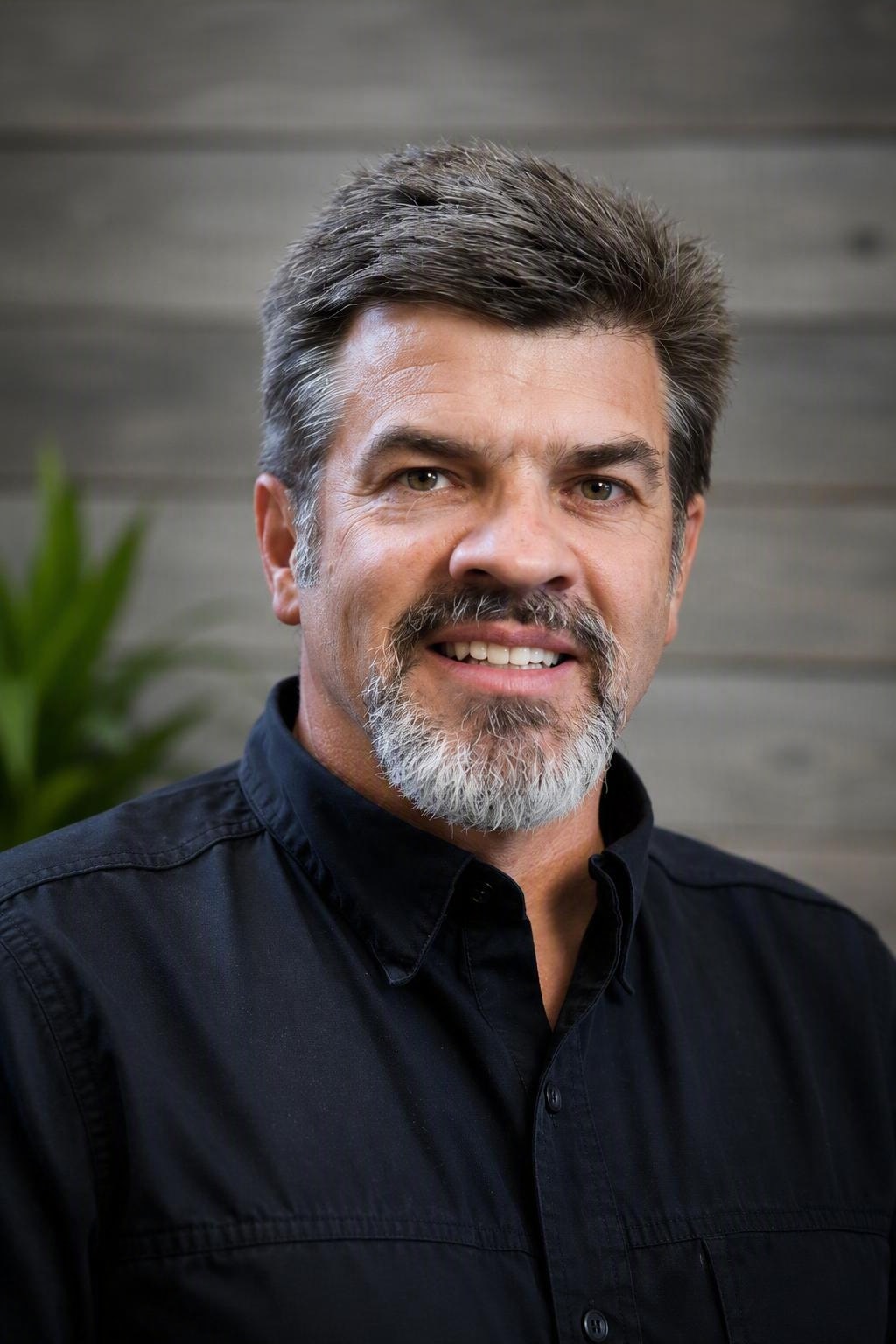
Paul Fowler
Paul writes about faith, family, and the restoration of the Jumanji Historic Farmhouse in Indiana. He is the author of Saving Grace and Pushing Through.
Enjoy Paul's writing? Explore his books and the Jumanji Farmhouse on YouTube.
Comments
No comments yet. Be the first to share your thoughts.